Empowering Lives: The Journey of Cancer Awareness, Care, and Survivorship
In the vast landscape of healthcare, navigating the path from early detection to thriving in cancer survivorship can feel like an uphill battle. With the rise in awareness around oncology, many individuals are stepping into a world where knowledge is empowerment. What if I told you that understanding the nuances of carcinoma, tumors, and cancer care can turn a daunting diagnosis into a journey filled with hope and resilience? Let’s embark on this journey of cancer awareness, exploring how early detection and proactive healthcare can lead to a thriving life post-diagnosis.
Imagine this: You’re at your routine checkup, and the doctor casually mentions the importance of early detection. Little did you know, this simple conversation could change everything. Early detection is the key to effective cancer care, giving patients a fighting chance against their diagnoses. With advancements in clinical research and pharmaceuticals, the landscape of cancer treatment is evolving rapidly, bringing forth new therapies and strategies that enhance survival rates. Have you checked your health education resources lately? It’s essential to stay informed about screening guidelines that can save lives.
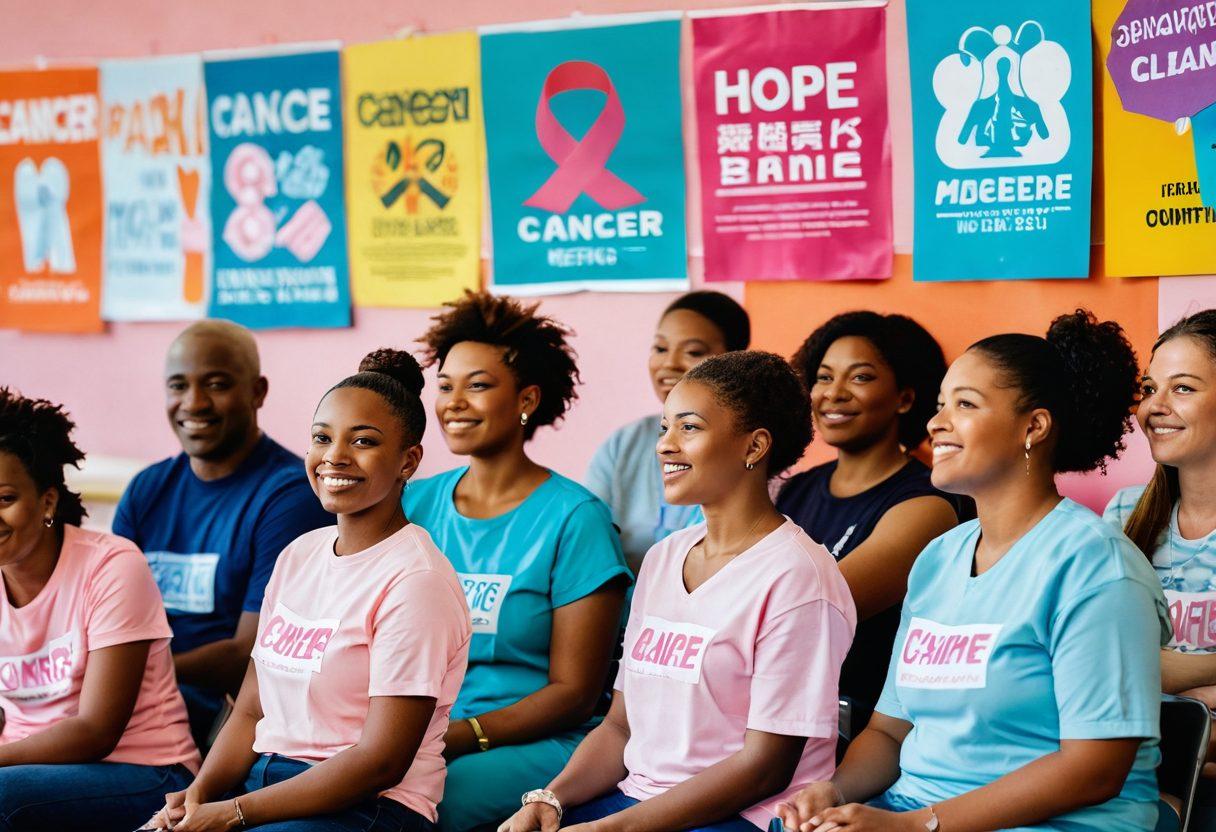
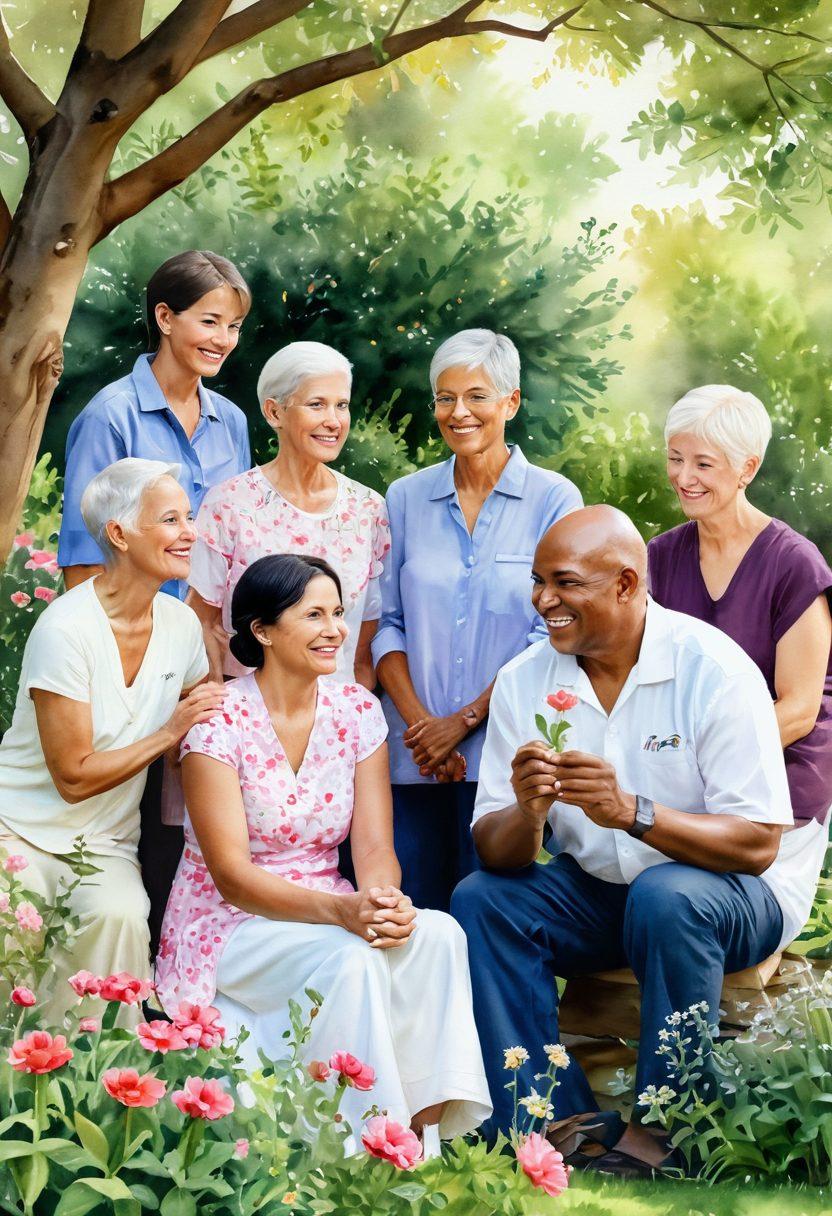
As we dive deeper into the world of cancer, let’s not overlook the profound role of nutrition in our wellbeing during and after treatment. It’s not just about eating ‘healthy’—it’s about fueling our bodies with the right nutrients that empower recovery and promote wellbeing. After cancer treatment, survivorship becomes its own journey. Support groups can play a pivotal role here, ensuring that no one feels alone on this path. The bonds formed through shared experiences are invaluable, creating a community that understands the triumphs and challenges of navigating life post-cancer.
While medical advice and expert opinions are vital components of the conversation around cancer care, patient advocacy acts as a beacon of hope. This advocacy ensures that patient voices are heard, driving the conversation towards inclusive treatment and personalized care plans. One powerful reminder resonates in the hearts of survivors:
Survivorship is not merely the absence of cancer; it's the presence of life. For many, this realization fosters a commitment to preventive care, a lifestyle that focuses on reducing risks even after remission. Engaging with healthcare professionals, understanding potential risks, and embracing a positive mindset can transform one’s journey into an inspiring story of resilience. Are you ready to take the next step and advocate for your own health?
The Power of Knowledge: Enhancing Cancer Awareness and Patient Advocacy
In a world where knowledge is power, the realm of oncology shines brightly through its ability to transform lives. Imagine standing at the crossroads of ignorance and enlightenment, where the decisions we make can either empower us or diminish our wellbeing. Every year, millions of people hear the dreaded words: 'You have carcinoma.' It's a moment that stops time, yet it can serve as a catalyst for profound change. Through cancer awareness and patient advocacy, we can equip ourselves and others with the tools needed to confront this disease head-on, fostering not only survival but a legacy of strength and resilience.
Consider this: Did you know that early detection can greatly increase your chance of remission? The path to understanding cancer begins with health education and knowledge. From the nuances of tumor biology to the specifics of preventive care, every shred of information can save lives. Engaging in cancer awareness initiatives can demystify the processes surrounding diagnosis, treatment, and the myriad of therapies available today. By advocating for education around this topic, we can shatter the stigma and breed a culture of openness that supports those affected by this dreaded illness.
The journey doesn’t end with just awareness—patient advocacy acts as a bridge connecting individuals to crucial resources. It's vital that we aim for inclusive healthcare that prioritizes not just medical advice but also emotional support. For many, joining support groups creates a sense of community that’s invaluable during treatment, reminding us that we are not alone in our battles against cancer. These alliances can reinvigorate spirits, encouraging members to share their experiences and insights and collectively fight the isolation that can accompany a cancer diagnosis. What would it feel like to have a network of individuals rallying behind your healing journey?
Nutrition plays a pivotal role in cancer care and survivorship. In a time when we may feel like our bodies are being hijacked by pharmaceutical treatments, understanding the relationship between our diet and our disease is empowering. A focus on nourishing meals can enhance recovery during therapy, improve our overall health, and enhance our fighting spirit. Simple steps like incorporating nutrient-rich foods or consulting with a nutritionist can be game-changers. Imagine embracing meals that taste good, elevate your mood, and contribute to your wellbeing—what a powerful way to reclaim authority over our own healing!
In the rush of modern life, it’s easy to overlook the impact of clinical research on our understanding of cancer. Every publication advances our knowledge of treatment modalities, helping to ensure that those diagnosed with cancer have access to the most effective therapies available. By becoming informed about ongoing studies and breakthroughs, patients can engage in conversations with their healthcare providers that extend beyond mere prescriptions. What if the next great treatment is something you could participate in shaping? Empower yourself through knowledge today and join the fight for a brighter tomorrow!
Healing Together: The Crucial Role of Support Groups in Cancer Care
In a world where the word 'cancer' often evokes fear and uncertainty, the notion of healing together emerges as a beacon of hope. Consider this: what if the path to recovery didn't have to be a solitary one? Support groups, integral to the landscape of cancer care, offer not just a shoulder to lean on but a community where shared experiences pave the way for understanding and healing. In the realm of oncology, these groups serve as a lifeline, stitching together the fabric of resilience in the face of carcinoma and its challenges.
Imagine walking into a room filled with others who have faced similar battles—each person carrying their own story of diagnosis, treatment, and survivorship. The power of shared narratives cannot be understated. As one survivor aptly put it, 'Sharing my journey transformed my pain into purpose.' This is a testament to the way support groups nurture a sense of belonging, allowing individuals to discuss their fears and triumphs over tumors, reminding each other that they are not alone in their fight.
Support groups play a crucial role in not just psychological support but also in enhancing health education. They provide access to valuable medical advice, focusing on nutrition, therapy options, pharmaceuticals, and clinical research that can empower members to make informed decisions about their cancer care. By focusing on cancer awareness and preventive care, these groups encourage the vital practices of early detection which can lead to better outcomes. After all, knowledge is power, especially in the daunting world of cancer diagnosis and treatment.
A vital aspect of support groups is their emphasis on healing the whole person. Beyond physical health, they nurture emotional well-being, often incorporating therapeutic exercises and discussions that focus on mental health. Engaging members in activities can pave the way for healthier coping mechanisms, creating a ripple effect that enhances overall survivorship. The phrase, 'It takes a village,' rings true here, as each member brings unique insights that can profoundly impact another’s journey.
As we reflect on the impacts of support groups, it is essential to recognize that they extend far beyond the confines of treatment rooms. They forge connections that can last a lifetime, encouraging moral support during the darkest hours and celebrating milestones together, such as remission. Shouldn't we value the collective strength that comes from shared vulnerability? In the fight against cancer, healing truly happens together, reminding us that life, with all its ups and downs, can be navigated with compassion and fellowship.